

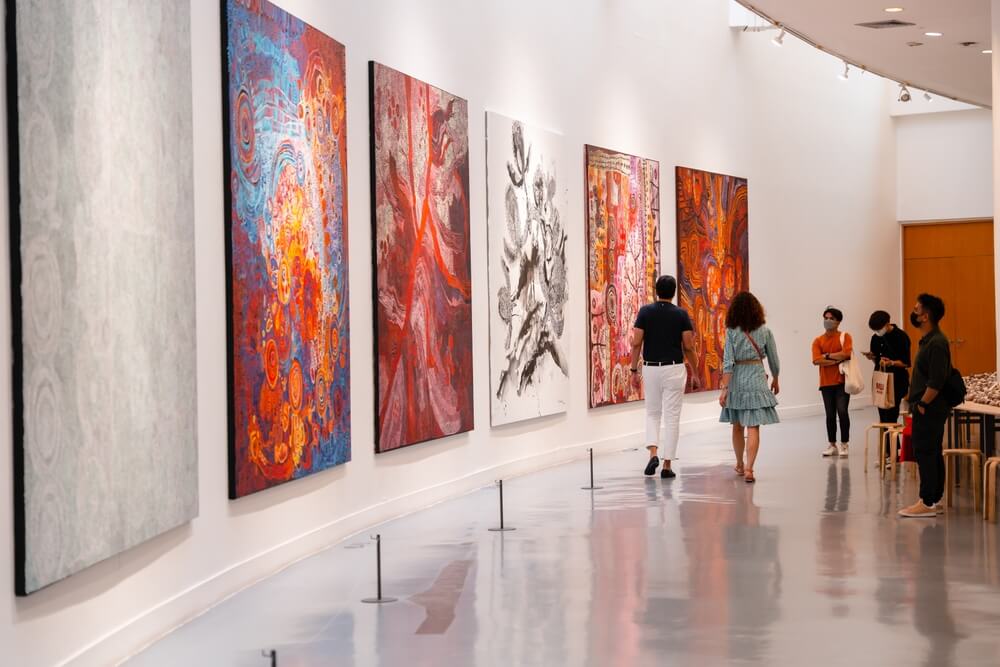
Visiting galleries can be rewarding even for people who know little about art history or contemporary practice. The experience does not require specialist vocabulary, and there is no obligation to admire every work on display. People exploring art galleries in Bangkok can make the visit more engaging by slowing down, asking simple questions and allowing individual works to hold their attention.
A gallery day becomes tiring when it is treated as a race to see every room. A more selective approach often creates stronger memories and a better understanding of what resonates personally.
Begin Without Trying to Understand Everything
Wall texts and catalogues can provide useful context, but they do not need to be read before looking at the work. Beginning with direct observation allows the visitor to notice colour, material, scale and emotional response without being guided immediately towards one interpretation.
A useful question is simply: what caught my attention? The answer might involve an unusual object, a familiar scene or a work that initially feels uncomfortable.
There is no requirement to find a hidden correct meaning. Artists may create work with particular ideas in mind, but viewers still bring their own experiences to it. Reading the supporting text afterwards can add another layer without invalidating the first reaction.
Spend Longer With Fewer Works
Large exhibitions can encourage visitors to glance briefly at everything. This often produces visual fatigue and makes individual works difficult to remember.
Choosing a small number of pieces for closer attention can be more satisfying. Consider how the work was made, what changes when it is viewed from another angle and which details become visible after the first minute.
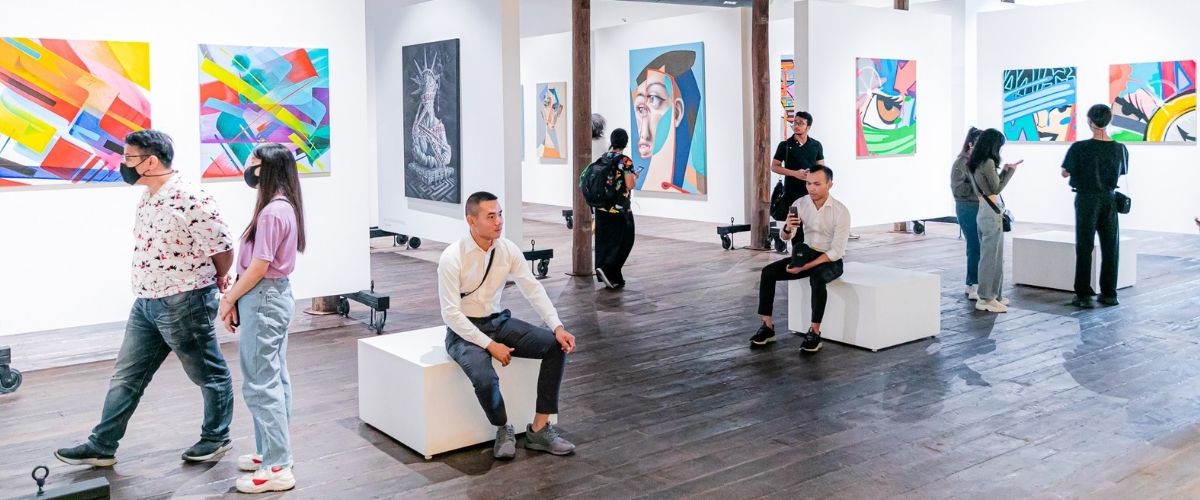
In group visits, people can select one work each and explain what interested them. Different responses often reveal aspects that others had not noticed.
Photographs may be useful when permitted, but constant phone use can interrupt observation. Taking a picture after spending time with the work preserves the memory without replacing the experience itself.
Use the Building and Display as Part of the Visit
Curators shape the experience through room order, lighting, spacing and the relationship between works. Visitors can consider why two pieces have been placed together or why one room feels very different from another.
The building itself may also contribute to the atmosphere. Views, sound and movement between spaces can change how the exhibition feels.
Temporary shows and permanent displays offer different reasons to visit. A short-term exhibition may provide urgency, while a familiar collection allows people to return and notice something new.
Leaving time for breaks helps maintain attention. A gallery visit should not feel like an endurance test, particularly when several venues are planned in one day.
Continue the Experience Afterwards
The most memorable work may not be the one that seemed most impressive inside the gallery. Some pieces become more interesting after reflection or conversation.
Visitors can note an artist’s name, write down a question or discuss which work they would choose to live with. These simple prompts help turn passive viewing into a more personal response.
Families can invite children to describe materials, invent stories or select favourite colours rather than requiring formal analysis. This encourages curiosity without making the gallery feel like a classroom.
Art becomes more accessible when visitors give themselves permission to respond honestly. Slowing down, observing carefully and following personal interest can make a gallery day useful and enjoyable without requiring any previous expertise.