

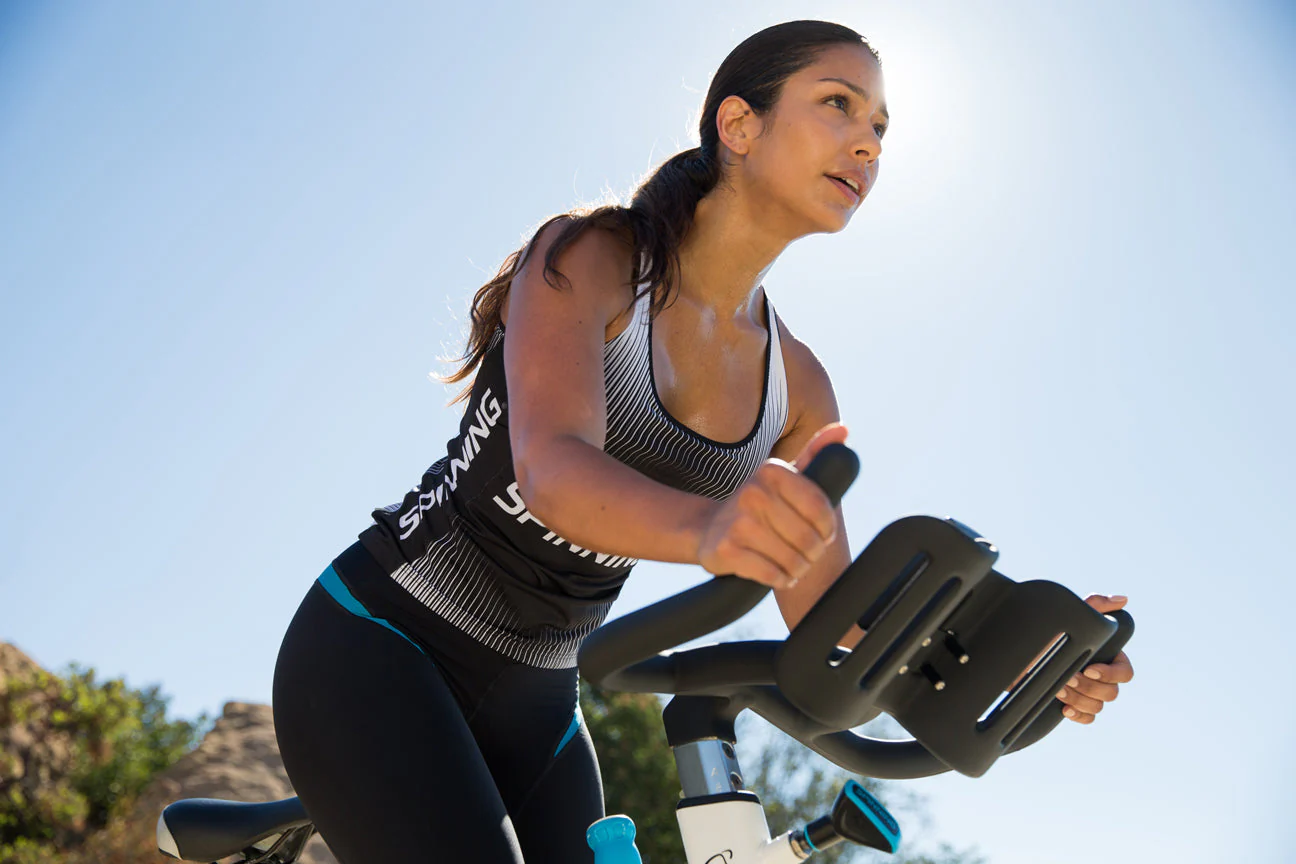
Spinning classes are already structured through music, coaching and resistance changes. Technology adds another layer by making effort and progress easier to measure. Fitness trackers, smart watches and bike metrics can help riders understand cadence, heart rate, intensity and consistency.
For people attending spinning classes, tracking can make the workout more personalised. Instead of relying only on how hard the ride feels, participants can use data to guide pacing, monitor recovery and see improvement over time.
Tracking makes effort visible
During a spinning class, effort can change quickly. Riders move through warm ups, climbs, sprints and recovery sections. Fitness tracking helps show how the body responds to these changes.
Heart rate can show intensity. Cadence can show pedalling speed. Workout duration shows consistency. Some bikes may also display resistance or output.
This visibility helps riders train with more awareness. They can see whether they are pushing, recovering or staying too comfortable.
Heart rate helps manage intensity
Heart rate is one of the most useful metrics during spinning. It shows how hard the cardiovascular system is working. Riders can use heart rate to understand whether they are training moderately or intensely.
This is useful because perceived effort can be misleading. A rider may feel tired due to poor sleep, or they may underestimate how hard they are working during a strong track.
Heart rate gives additional context. It should guide effort, not create pressure.
Cadence tracking improves control
Cadence measures how fast the pedals turn. In spinning, cadence often connects to music and instructor cues. Tracking cadence can help riders stay on rhythm and improve pedalling control.
Fast cadence sections challenge speed and cardio fitness. Slower cadence with resistance challenges strength endurance.
By watching cadence trends, riders can learn where they perform well and where they need improvement.
Data helps prevent overtraining
Tracking can also support recovery. If heart rate is unusually high for normal effort, or performance drops across several sessions, the body may need rest. Wearables may also show poor sleep or recovery patterns.
This information can help riders choose a lighter session or rest day instead of forcing intensity.
Smart training is not always about doing more. Sometimes it is about knowing when to recover.
Metrics show progress beyond body weight
Many people judge fitness progress only by weight or appearance. Spinning metrics can show progress in other ways. A rider may maintain higher resistance, recover faster, ride more consistently or keep better cadence.
These improvements matter. They show better fitness even if physical changes are gradual.
A professional environment such as True Fitness Singapore can support measurable progress by offering structured cycling classes within a broader fitness routine.
Tracking improves accountability
Fitness trackers can show attendance patterns. Riders can see how many classes they complete each week or month. This helps build accountability.
Consistency is one of the biggest drivers of results. Seeing a regular class pattern can motivate riders to continue. Seeing gaps can help them adjust scheduling.
Tracking turns fitness habits into visible behaviour.
Data should be personalised
Riders should avoid comparing their metrics too closely with others. Fitness level, body size, experience, sleep and stress all affect performance. The best comparison is personal progress over time.
A beginner improving cadence control is making progress. An experienced rider increasing resistance is also making progress. The metrics should match the individual’s stage.
Personalised tracking makes spinning more meaningful.
Technology should not distract from the ride
While tracking is helpful, it should not take over the class. Constantly checking a watch can break focus. Riders should follow instructor cues, listen to their body and review data after the session.
The best use of technology is quiet support. It records the effort while the rider stays engaged in the class.
Music, coaching and movement remain the heart of the experience.
FAQ
My heart rate gets very high during spinning. Should I be worried?
Heart rate rises during intense sections, but you should reduce effort if you feel dizzy, unwell or unable to control breathing. Use heart rate as guidance and listen to your body.
Should I track calories burned in every class?
You can, but do not rely on calories as the main measure. Track consistency, cadence, recovery and effort quality as well.
I compare my metrics with others and feel discouraged. What should I do?
Focus on your own progress. Your fitness level, body and goals are different. Personal improvement is more important than class ranking.
Can tracking help me know when to rest?
Yes. If performance drops, resting heart rate rises or recovery data looks poor, you may need a lighter session or rest day.
Conclusion
Fitness tracking makes spinning classes more personalised and measurable by showing effort, intensity, cadence and consistency. It helps riders understand progress beyond guesswork.
For people in Singapore, technology can make spinning smarter when used wisely. The best approach combines data, instructor guidance and body awareness to support better long-term results.