

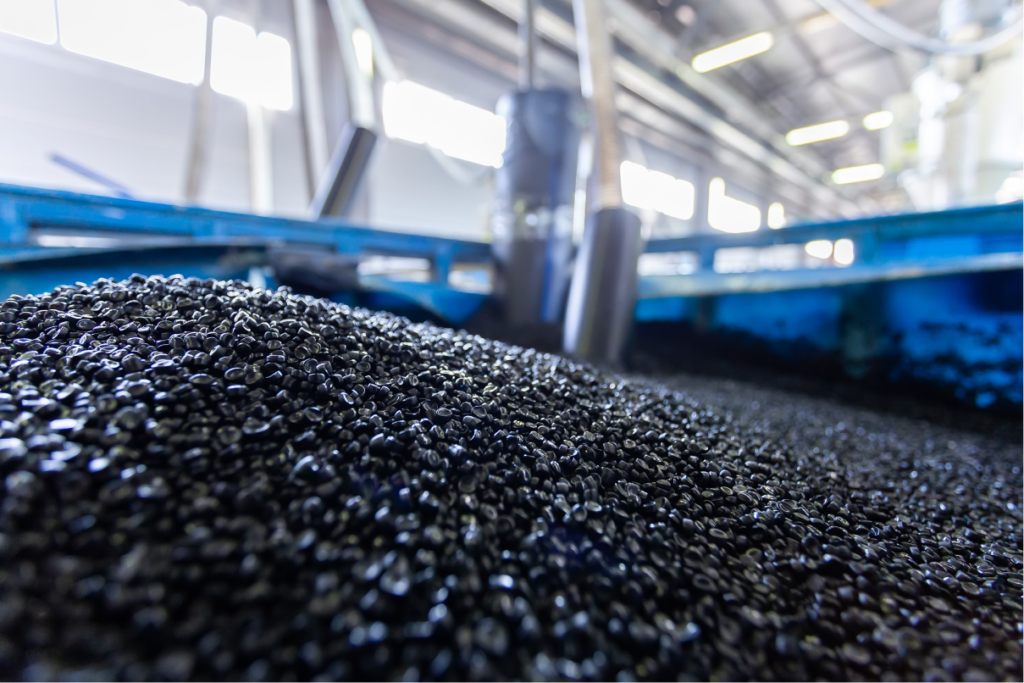
Selecting a plastic material is a technical decision with consequences for product performance, manufacturing efficiency, compliance and cost. Working with an experienced plastic resin manufacturer can help buyers compare polymer properties against the demands of the finished application rather than choosing primarily on price or general availability. The most suitable resin should perform consistently during processing and throughout the product’s expected life.
Begin With the Finished Product
Material selection should start with a clear understanding of how the final product will be used. A rigid storage container, flexible film, electrical component and automotive part all place different demands on the polymer.
Manufacturers should identify the required strength, flexibility, impact resistance, weight and surface finish. The product’s operating environment matters too. Exposure to heat, sunlight, moisture, oils, chemicals or repeated movement may rule out materials that initially appear suitable.
Food-contact products, medical items and children’s goods can involve additional regulatory requirements. Packaging may need to protect its contents while remaining lightweight and easy to seal. Components used outdoors may require enhanced resistance to ultraviolet exposure.
Expected lifespan is another important consideration. A disposable item and a durable industrial component should not be assessed according to the same criteria. Defining these conditions early allows the technical team to create a realistic material specification.
Understand the Main Polymer Options
Different resin families offer distinct combinations of performance and processability. Polyethylene is widely used in films, containers, pipes and household products because it is available in several densities and offers useful moisture resistance.
Polypropylene is commonly chosen where low weight, chemical resistance and repeated flexing are important. It can be found in packaging, automotive components, consumer goods and hinged closures.
Polystyrene can provide rigidity and clarity in selected applications, while engineering plastics may be required when components must tolerate greater heat, load or mechanical stress. Some products use blends or additives to achieve properties that a standard resin cannot provide alone.
Buyers should avoid assuming that two grades within the same polymer family are interchangeable. Differences in molecular structure, melt flow, density and additive packages can influence how a resin behaves during moulding or extrusion.
Technical data sheets provide a useful comparison, but production trials remain essential. Real processing conditions may reveal differences that are not obvious from published figures.
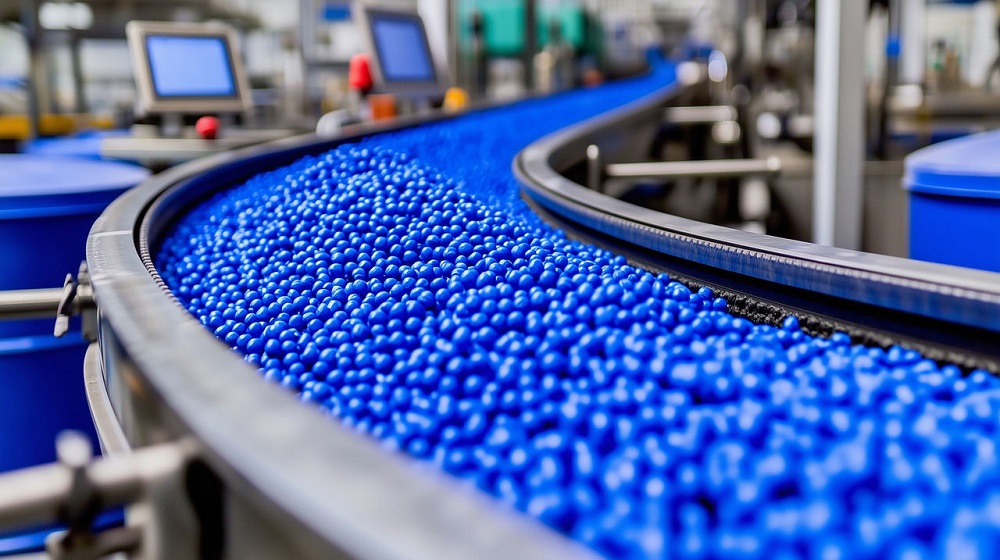
Match the Resin to the Manufacturing Process
A resin must suit both the finished product and the equipment used to produce it. Injection moulding, blow moulding, extrusion and film production each require materials with appropriate flow and cooling characteristics.
Melt flow rate can influence how easily a polymer fills a mould or passes through processing equipment. A resin that flows too slowly may create incomplete parts, while one that flows too readily may not provide the required mechanical strength.
Processing temperature, cycle time and shrinkage also affect productivity and dimensional accuracy. Manufacturers should consider whether a new resin will require changes to tooling, cooling, drying or machine settings.
Colourants, fillers and performance additives can alter processing behaviour. Flame retardants, impact modifiers, stabilisers and reinforcing fibres may improve one property while affecting another. Any compound should therefore be tested as a complete formulation rather than assessing the base polymer in isolation.
Demand Consistency and Traceability
Variation between resin batches can lead to changes in colour, surface quality, dimensions or mechanical performance. Reliable supply depends on clear specifications and consistent quality control.
Buyers should request documentation covering the agreed grade, physical properties and batch identification. A certificate of analysis may be required for each delivery, particularly where finished products are subject to strict customer or regulatory standards.
Traceability allows both parties to investigate quickly when an issue arises. Production records should connect raw-material batch numbers with finished-product runs, making it easier to isolate affected stock and identify the cause.
Packaging and storage conditions also matter. Resin pellets should remain dry, clean and protected from contamination. Some materials absorb moisture and require controlled drying before processing. Poor warehouse practices can compromise a suitable resin before it reaches the machine.
Consider Cost Across the Entire Production Run
The cheapest resin per kilogram does not always produce the lowest manufacturing cost. A material that causes slower cycles, greater waste, frequent machine adjustments or higher rejection rates may prove more expensive overall.
Manufacturers should calculate yield, energy use, processing time and scrap alongside the purchase price. Material density can also affect how many finished parts are produced from a given weight.
A strong sourcing decision balances technical suitability with stable supply and commercial practicality. By testing materials under real conditions and monitoring performance across repeated deliveries, manufacturers can select a resin that supports reliable production rather than creating avoidable variation.