

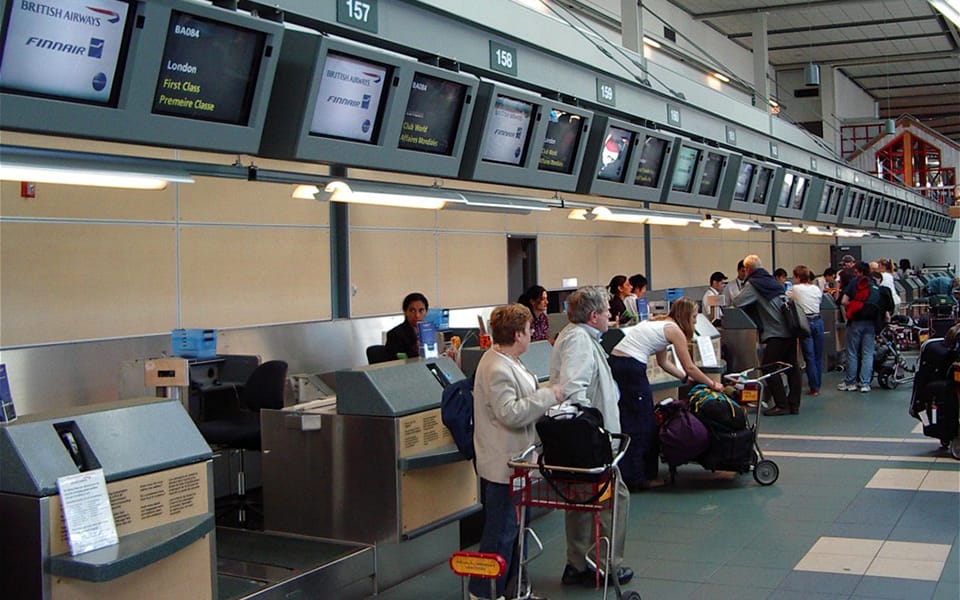
The final day of a trip often creates an awkward gap. Hotel check-out may be in the morning, while a flight, train or onward connection is not scheduled until much later. Rather than carrying suitcases through shopping centres, cafés or crowded transport stations, travellers can use luggage lockers in Bangkok to keep their belongings secure while enjoying the remaining hours more comfortably.
Plan Around Your Actual Departure Time
A late departure does not necessarily mean spending the entire day near the airport or waiting in a hotel lobby. Start by working backwards from the time you need to reach the terminal, allowing for traffic, check-in procedures and any planned meal or shopping stop.
Once the available window is clear, choose activities that fit naturally within it. A relaxed lunch, museum visit, massage or final shopping trip may be realistic, while travelling across several districts could create unnecessary pressure.
The storage location should support the route rather than complicate it. A facility close to public transport, a major road or the area where you plan to spend the day can reduce repeated journeys. It may also be useful to choose somewhere that remains open well beyond your planned collection time, leaving room for delays.
Choose Storage That Matches Your Luggage
Not every bag requires the same amount of space. A small cabin case, large suitcase, pushchair or set of sports equipment may need a different locker size or storage arrangement.
Before travelling to the facility, check the permitted dimensions and whether several small bags can be placed together. Travellers with unusually shaped items should confirm that they will be accepted rather than assuming they will fit inside a standard locker.
Weight matters as well. Even when a suitcase fits, lifting it into an upper locker may be difficult. Ground-level access, trolleys or staff assistance can make a noticeable difference for families, older travellers and anyone carrying heavy luggage.
Keep essential items in a separate day bag. Passports, medication, wallets, phones, chargers and travel documents should remain with you unless the operator specifically provides secure storage intended for valuables.
Check Security and Access Procedures
A trustworthy storage service should explain how bags are secured and how customers retrieve them. Depending on the facility, access may involve a key, code, electronic card or assistance from staff.
Ask whether the storage area is monitored and whether access is restricted to customers. Clear identification or booking confirmation requirements can help prevent bags from being collected by the wrong person.
Travellers should also understand what happens if a code, key or receipt is lost. Having a photograph of the booking details can be helpful, provided sensitive access information is not shared carelessly.
Before leaving, inspect the luggage and take a quick photograph of its condition. Secure external pockets, remove loose straps and avoid leaving fragile objects where they could be crushed. A simple luggage tag with a name and contact number provides another useful layer of identification.
Be Clear About Charges and Time Limits
Storage fees may be calculated by the hour, day, locker size or individual item. The cheapest advertised rate may not apply to larger cases or longer periods, so confirm the total expected cost before placing bags inside.
Check how the operator defines a day. Some services charge per calendar day, while others use fixed blocks of hours. Missing the collection deadline could result in another full charge.
Cancellation, extension and late-collection policies are also worth reviewing. Travel plans can change quickly, particularly when flights are delayed or meetings run longer than expected. A service that allows bookings to be extended remotely may provide useful flexibility.
Keep any payment receipt or digital confirmation until the luggage has been collected and checked.
Pack for Easy Retrieval
The way a suitcase is packed can affect the final part of the journey. Place anything needed before departure near the top, including a change of clothes, toiletries or warmer layers for the flight.
Avoid opening several cases on the pavement or in a crowded reception area. A separate travel pouch containing tickets, identification and charging cables can make collection quicker and reduce the risk of leaving something behind.
Retrieve the luggage with enough time to deal with an unexpected queue, payment issue or transport delay. Rushing at the end of the day can undo the convenience that storage was intended to provide.
A suitable locker turns an inconvenient gap into usable travel time. By choosing the location carefully, confirming the security arrangements and keeping essential belongings close, travellers can enjoy their final hours without being tied to their suitcases.